
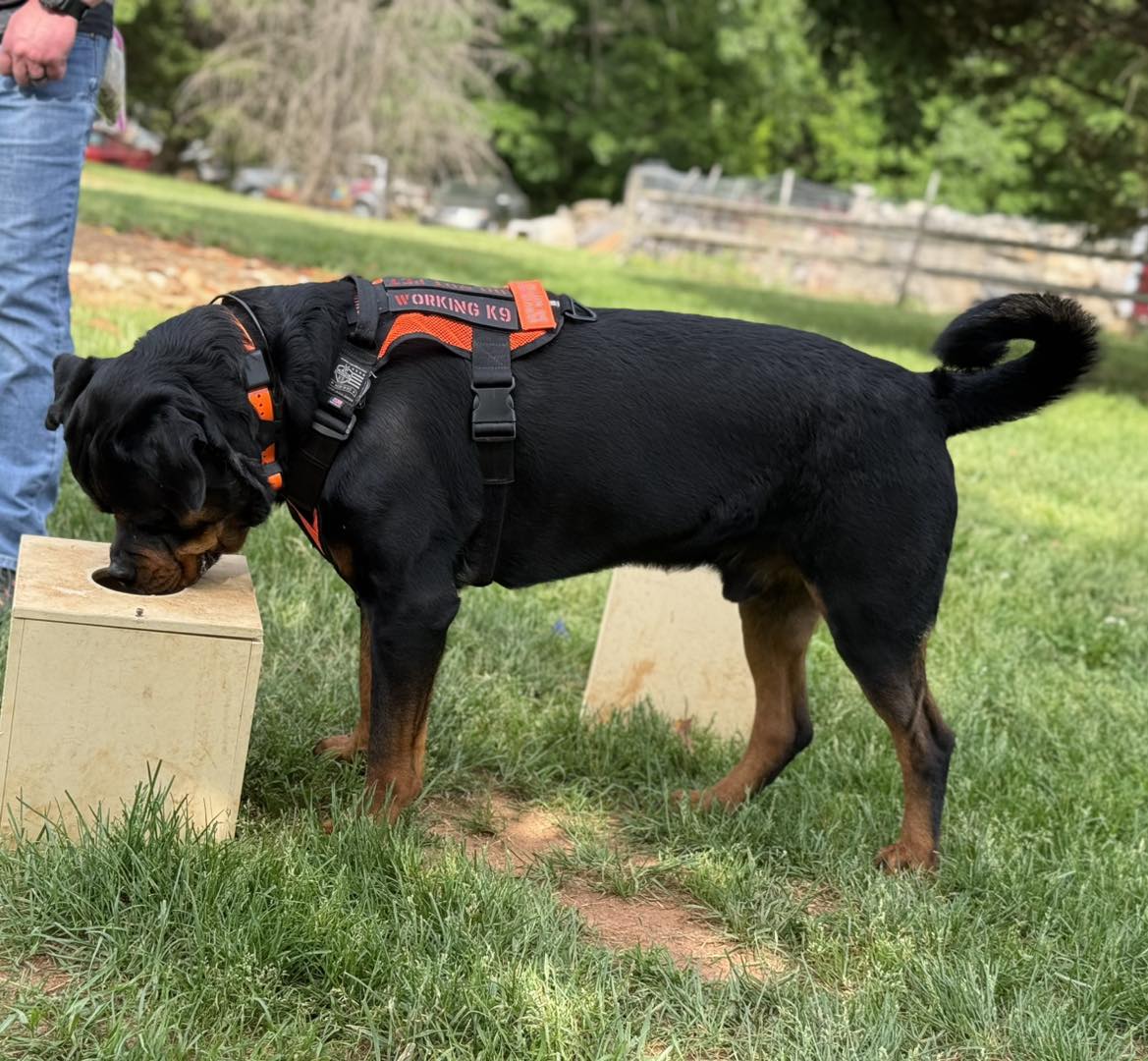
“I have a German Shepherd and I think they would make a great working dog.”
This quote (or similar variants) has been heard by dog trainers around the world, and it typically doesn’t turn out to be true. For decades, German Shepherds and Belgian Malinois’ have been the go-to breeds for working dogs – but times are changing, especially when we are talking about detection dogs.
Do you have a dog breed that does not fall into the stereotypical working dog breed list. but still has the potential to be successful? In this article, we will help you understand the drives required, discuss the pros and cons to pointy eared vs. floppy eared, and the detection options for having fun with your dog.
Genetic drives
If you think your dog would be a good detection dog, you first have to understand more about genetic drives.
The main drives we look for are prey drive and hunt drive. Prey drive is the desire to chase. Hunt drive is the desire to continue to search. These two drives go hand and hand when working with detection dogs. They have to have the desire to initially go and search, and then continue – even if they don’t find it right away.
Since these are genetic traits, you can enhance or diminish them, but you cannot create them if they are not there. When purchasing a working dog, you can either go the puppy route (where there is no guarantee) or you can buy a dog that’s already grown and tested. This means just because you have a German Shepherd whose Mom or Dad is a working dog, it doesn’t mean they will definitely have the drive for it. If you get a puppy, you can do drive development exercises to help, but it’s not a guarantee. When buying a dog who has already proven they have the drive you are looking for, be aware they may command a higher price.
Pointy eared vs. floppy eared - does it matter?
Next up comes the age old debate of pointy eared vs floppy eared.
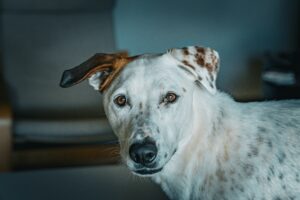
Some people like the look of a pointy eared dog as a deterrent, in addition to working detection – but times are changing. We often see more people wanting floppy eared dogs (such as Labrador Retrievers, German Shorthair Pointers, Viszlas, and even Doodles). Yes, you read that correctly – a Doodle can be a detection dog. It all goes back to the amount of drive the dog has.
Depending on the environment you want your dog to work in and what you want them to detect, a floppy eared dog can be a better fit and be a friendlier looking dog. In the United States, it can also be easier to obtain a floppy eared dog that has good genetics. It can be very difficult to find a well-bred pointy eared dog in the US, which would mean importing a dog. You also would need to have the right contact to be able to get a dog imported. Some trainers make a habit of going to shelters to test dogs for workability, and oftentimes, these can make some of the best detection dogs. If they ended up in a shelter for being too much for the owner to handle, they may have just needed a job.
Different types of detection activities
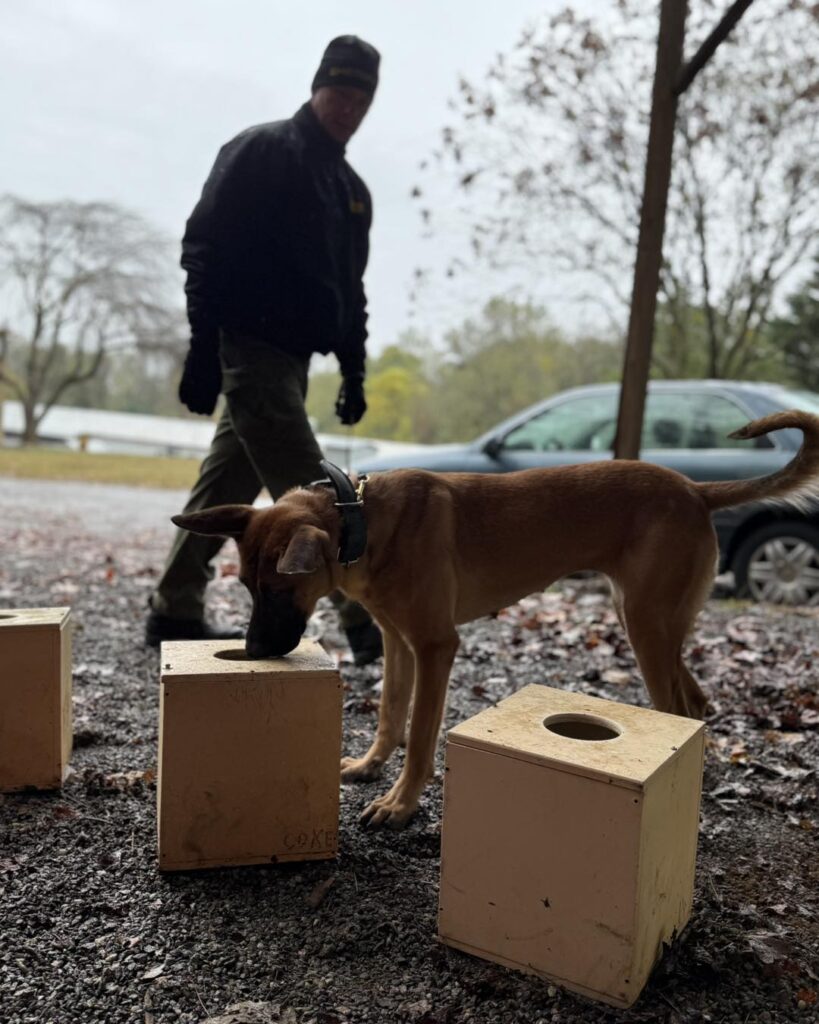
If your dog has the drive and you think detection would be a fun thing for you and your dog to do, you have to choose what kind of detection you would like to do.
There are so many different options and levels to choose from. Most pet owners look to find a scent work class near them. There is no breed standard, and typically, these classes use food and clickers for training. Dogs will be trained to find different types of essential oils such as birch, anise, and clove in these classes. This is a great way for your dog to have an outlet and to build a bond between you and your dog. If you have a crazy dog that needs a lot of mental stimulation, why not give these classes a chance? They make your dog think, which makes them just as tired as a walk lasting an hour.
If you want a little more advanced detection such as electronics, bed bugs or cadaver, there are companies that make chemically formulated scents so you don’t have to worry about obtaining the actual thing. When looking to do advanced training, we highly recommend working with a training professional or going through a dedicated educational program like the Detection Dog Trainer program at the School for Dog Trainers.
In conclusion
You don’t have to be law enforcement to have a detection dog. It can simply be a fun new trick you can show off to all your friends!
Detection dogs come in all breeds and sizes. Whether you have a pointy eared or floppy eared dog is preference – but all that really matters is drive. The possibilities are endless when it comes to what you can teach your dog to detect. Just remember, don’t count your dog out just because they don’t fit into the stereotypical detection dog breeds. That outlet may be just what you and your dog need!
Related posts
Want To Take Your Dog To A Festival? Here Are The Dos and Don’ts
In this article, Shae Slabaugh (professional dog trainer based in Huntsville, AL) explains how to prepare to take your dog to a festival.
Meet Carlos Viera, Our Professional Dog Trainer Serving Huntersville, NC
Carlos Viera is Highland Canine Training’s professional dog trainer in Huntersville, NC. Learn more about Carlos in this Q&A.
How To Train A Deaf Dog
When working with a deaf dog, you will need a different approach to training. David Hamblin (professional dog trainer in Roanoke, VA) offer some tips.

You must be logged in to post a comment.