
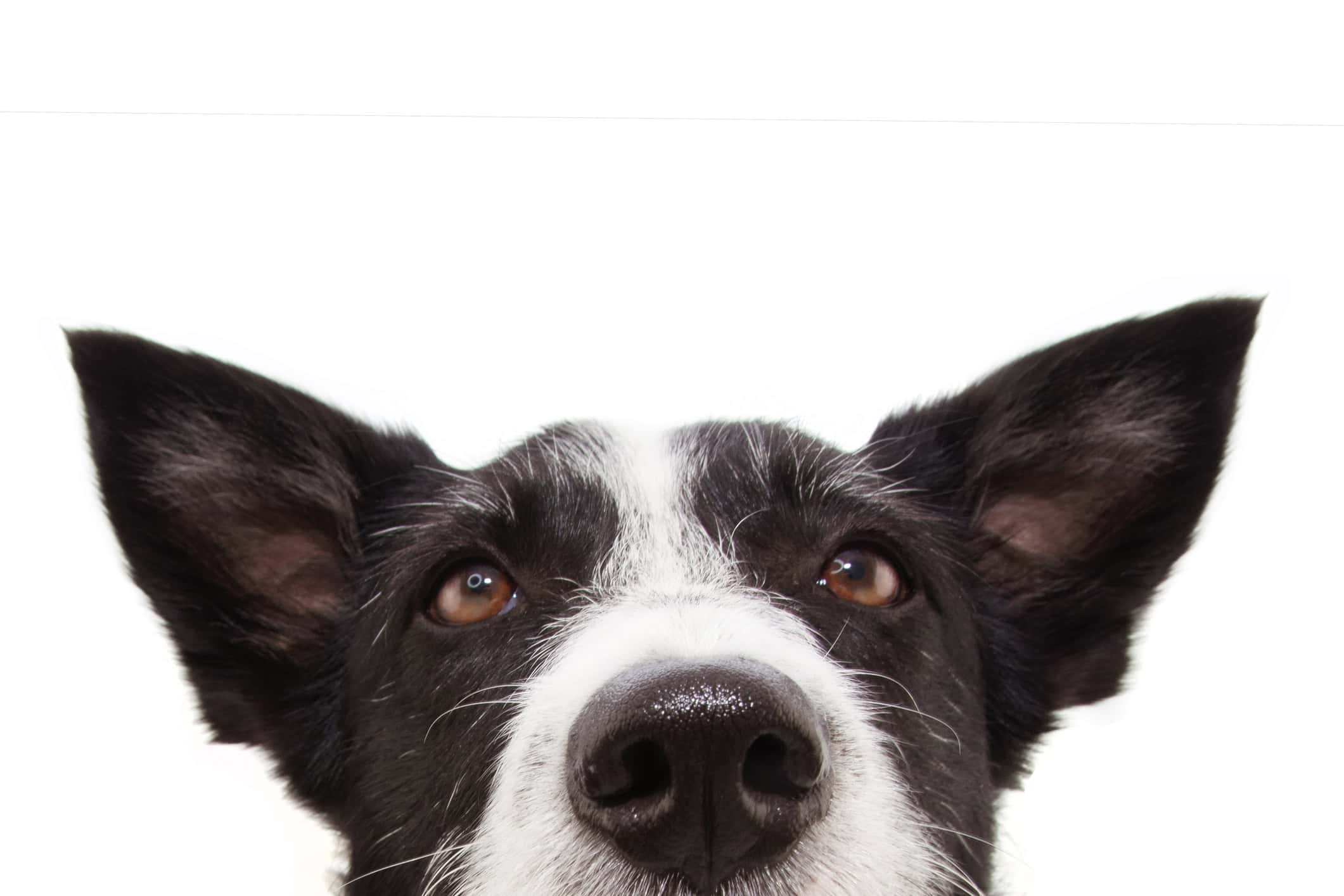
When training your dog, it is not uncommon to wonder if your dog is learning more slowly than other dogs. Perhaps you’ve watched another dog master a new command in a single session, while your own dog is still struggling after several days. Maybe your friend’s puppy seems to pick up every new skill effortlessly, while your adult dog requires much more repetition.
It’s easy to compare your dog’s progress to others, but doing so rarely tells the full story. As with people, the truth is that every dog learns at their own pace, and different personalities, motivations, life experiences, and natural abilities can influence how quickly they acquire new skills. Learning speed is only one small part of the picture, and it does not necessarily determine how successful a dog will ultimately become at mastering a behavior or command.
In this article, we’ll look at some of the factors that influence how quickly dogs learn.
Genetics
It is important to remember that most dog breeds were originally developed for a specific purpose. For example, Border Collies were bred to make independent decisions while herding livestock. Labrador Retrievers were selected to work closely alongside hunters. Bloodhounds were bred to follow scent trails over long distances. These different jobs required different skills, and those traits remain visible in many breeds today.
Some breeds naturally enjoy learning structured tasks and working closely with people. Others may be more independent or more motivated by activities that differ from traditional obedience training. That doesn’t make one breed smarter than another, but it does mean they have different strengths. Even within the same breed, individual dogs can vary considerably. Genetics provide the foundation, but every dog is unique.
Motivation
Imagine trying to teach someone a new skill without giving them any reason to participate, or going to work without being paid for your labor or skills. Learning and progress would probably happen slowly (if at all) because of a lack of motivation, and dogs are no different.
One of the biggest factors influencing learning speed is motivation. Dogs that are highly motivated by food, toys, praise, or play often engage more enthusiastically during training. Finding what your dog values most can dramatically improve training sessions. Some dogs will happily work for small pieces of kibble, while others require higher-value treats such as rotisserie chicken or cheese. Some are toy-driven and become excited by a quick game of tug or fetch, while others simply enjoy praise and attention from their owners. Understanding what motivates your dog allows you to make learning more rewarding.
Prior experiences
Every dog arrives at training with a different history. A young puppy may have very few established habits, making it relatively easy to introduce new behaviors. On the contrary, an older rescue dog may have spent years practicing behaviors that are now undesirable. Changing established habits often takes more time than teaching something entirely new.
Previous experiences can also affect confidence. Dogs that have experienced harsh training methods or inconsistent handling may become hesitant during learning because they are unsure of what is expected. Building trust often becomes just as important as teaching the behavior itself – which is why it is vital to build a healthy relationship with your dog.
Environment
Even highly intelligent dogs struggle to learn when their environment is overwhelming. Trying to teach a new command in a busy park filled with people, dogs, wildlife, and distractions is very different from training in a quiet living room. Learning typically happens most effectively when dogs can focus.
Professional dog trainers often begin teaching new behaviors in low-distraction environments before gradually increasing difficulty. This allows the dog to fully understand the behavior before asking them to perform it under more challenging conditions. If your dog seems slow to learn in distracting environments, they may simply need more practice in easier settings first. Once they have mastered it in a familiar setting (ex: your home), you can then expand and work with them in more difficult environments.
Confidence
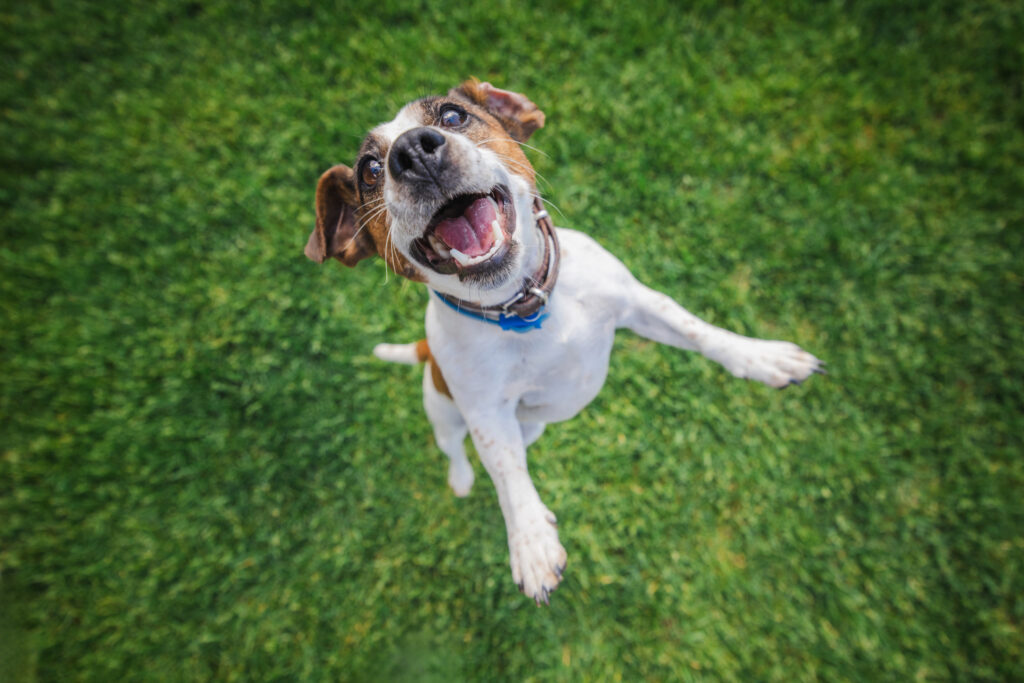
Confident dogs are often more willing to experiment during training. When presented with a new task, they readily offer different behaviors in an attempt to earn a reward. This willingness to “try” often helps them discover the correct answer more quickly. More cautious dogs may hesitate because they are afraid of making a mistake. They may spend more time observing than experimenting, which can make learning appear slower.
Neither personality is inherently better. Patient, encouraging training helps build confidence over time and allows cautious dogs to become more comfortable exploring new behaviors.
Attention span
Not every dog can maintain focus for the same length of time. This can depend on the age and personality of your dog. For example, young puppies naturally have shorter attention spans than mature adult dogs. Some breeds were developed for prolonged periods of work, while others may prefer shorter, more frequent training sessions. Individual personality also plays a role. Some dogs become mentally fatigued after only a few minutes, while others happily remain engaged for much longer.
Rather than forcing longer sessions, tailor your training to your dog’s ability to stay focused. Several productive 5-10 minute training sessions throughout the day are often more effective than a single hour-long session. This is why Board and Train programs can often be a better option than once per week Private Lessons, particularly if you lead a busy lifestyle or have little time to dedicate to training outside of lessons.
Training methods
Sometimes differences in learning speed have less to do with the dog and more to do with the person teaching them. Clear communication, good timing, and consistency all influence how quickly a dog understands what is being asked. This is why it is important for dog trainers to communicate to owners how to teach and maintain behaviors, otherwise the dog will become confused and progress will stall.
If cues change from one repetition to the next, rewards arrive too late, or expectations are inconsistent, even an intelligent dog may become confused. Successful training is a two-way conversation. The better we communicate with our dogs, the easier it becomes for our dogs to succeed.
Some behaviors are more difficult for dogs to learn
Dog owners sometimes assume their dog is a slow learner because they struggle with one specific behavior. In reality, not all skills are equally challenging. Teaching a dog to ‘Sit’ may take only a few repetitions, but developing a reliable recall around distractions often requires weeks or months of consistent practice.
Likewise, addressing behavioral concerns such as leash reactivity, fearfulness, or separation anxiety is far more complex than teaching basic obedience. The factors listed above can also influence the ease with which your dog grasps the behavior, particularly considering reinforcement history and learned behaviors.
Avoid comparing your dog to others
One of the biggest mistakes dog owners make is comparing their dog’s progress to dogs they see online or in training classes. It is important to remember that every dog starts from a different place, and all that matters is your own dog’s individual progress.
A puppy attending its first obedience class has different needs than an adult rescue dog. A high-drive working breed may progress differently than a companion breed. Some owners practice daily, while others only train occasionally. Comparisons often create unrealistic expectations that lead to unnecessary frustration. The most meaningful comparison is whether your dog is improving compared to where they were last week, not whether they learn as quickly as another dog.
In conclusion
Every dog learns differently, influenced by many of the factors outlined in this article. Rather than focusing on how fast your dog learns, focus on creating positive, consistent training experiences that encourage steady progress. Celebrate small improvements, adjust your approach when needed, and remember that every successful repetition builds toward long-term reliability.
At Highland Canine Training, we believe that successful training isn’t about finding the fastest learner. It’s about understanding the individual dog in front of you and helping them reach their full potential. With patience, consistency, and the right training approach, every dog has the ability to learn and grow. Contact one of our professional dog trainers to find out how they can help you.
Related posts
Meet Carlos Viera, Our Professional Dog Trainer Serving Huntersville, NC
Carlos Viera is Highland Canine Training’s professional dog trainer in Huntersville, NC. Learn more about Carlos in this Q&A.

How To Train A Deaf Dog
When working with a deaf dog, you will need a different approach to training. David Hamblin (professional dog trainer in Roanoke, VA) offer some tips.

Why Dogs May Plateau During Training
Has your dog’s training progress stalled? In this episode, we look at why training can plateau – and tips to resolve it.

You must be logged in to post a comment.