
If you have a dog, you have likely received training advice at some point, whether that’s from a well-meaning neighbor or a social media dog trainer while scrolling through cute puppy videos. You may have even tried the advice and maybe it helped – or maybe it went horribly wrong.
Many common training tips that circulate are oversimplified or missing context that actually makes them effective. Your neighbor likely only has experience with the few dogs they’ve owned, and social media tends to reward quick, catchy advice rather than in-depth explanations.
Because dogs are all such intricate individuals, the reality is that dog training is very rarely one-size-fits-all. A method that works wonderfully for one dog may create confusion, spark frustration, or even encourage behavioral issues for another. Let’s take a look at some common dog training advice floating around that may end up backfiring on you, and find out what you should focus on instead.
“Ignore all bad behavior and it will go away!”
The point of this advice is that a dog will stop its bad behavior because it’s no longer getting attention from you. Seems logical, right? However, that is only the case for dogs who are truly attention-seeking. Dogs indulge in “bad” behaviors for many reasons, including boredom, excess energy, lack of fulfillment, anxiety, instinct, confusion about what’s expected, or simply because the behavior is rewarding or fun to them. So, in most cases, just ignoring the bad behavior will have little to no effect on actually stopping it. Instead, focus on asking why your dog is behaving poorly and address that first.
“Stop/prevent food aggression by sticking your hand in their bowl and playing with their food."
If this “worked” for a dog, it’s likely because that dog never had any tendencies toward food aggression in the first place. For dogs who are prone to food aggression or already struggle with it, this situation usually creates tension, mistrust, and stress. It can also lead to injuries or bites. Instead, practice respectful space while your dog eats, rewarding your dog for relinquishing food/treats to you, and calm behavior around food in general. Trust and mutual understanding goes a long way!
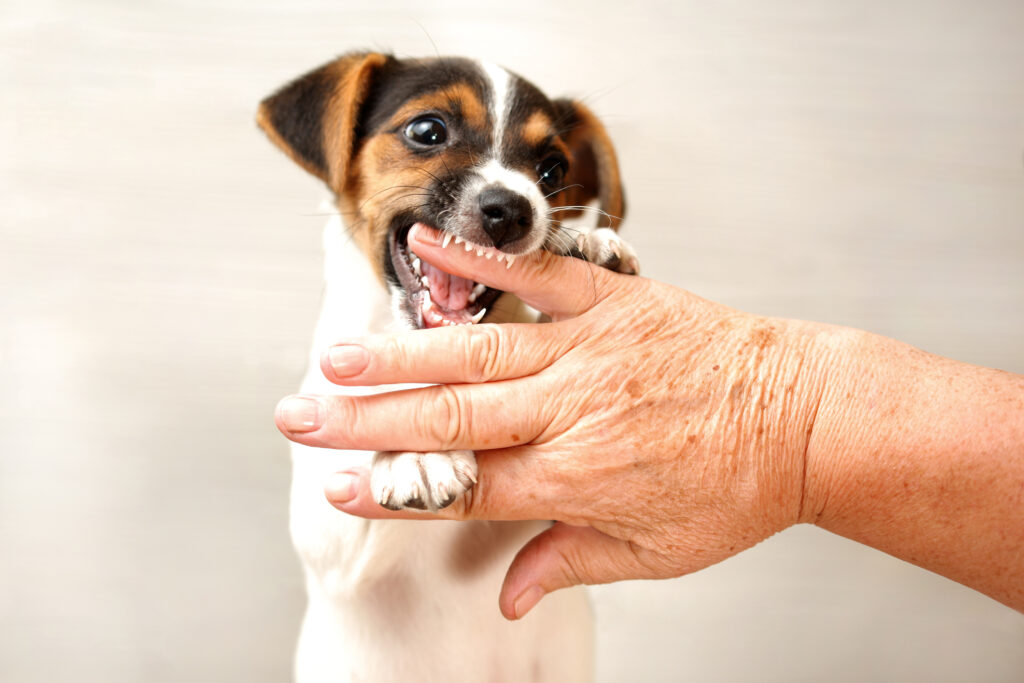
“Yelp loudly when your puppy bites you."
This advice comes from the way puppies learn to play. When one puppy gets too rough, the other may yelp and that tells the other puppy to back off. The problem with this is that many puppies don’t take the human’s yelp seriously or actually find it encouraging to keep biting. Like a squeaky toy, it becomes a fun game and the puppy continues to think it’s all play. When a puppy bites too hard, a quick yelp needs to also be followed through with a pause in play and body language that makes it clear that you will not allow that level of intensity in your play with your puppy.
“If your dog jumps up on you, just turn around."
Again, the intention behind this advice is that you’re not engaging with the behavior and your attention goes away when your dog jumps on you. However, in most cases, this can actually encourage dogs to jump more as they see it as a sign of play or even submission. Instead, claim your space and your body by projecting confidence and moving forward into your dog when they attempt to jump. Again, with any advice, remember that even this needs to be taken with context since there may be other reasons your dog is jumping that need to be addressed differently.
“Training tools are abusive and you should never use one on your dog."
Unfortunately, many dog owners are shamed for using training tools like prong collars, e-collars, etc. This discourages many owners from getting realistic help for the problems their dog is struggling with. Every dog is unique and so much needs to be taken into account when working with each and every dog. I have unfortunately known shelter dogs who were put to sleep because they couldn’t work through a dog’s issues with treats alone. I’ve also seen dogs’ aggression and reactivity worsen due to poorly timed treat rewards. Sometimes, training tools provide much needed clarity and can even save lives.
“Socialize your puppy with everyone and everything."
Socialization is so important but, like most advice, it is taken out of context and the way owners socialize can actually cause more problems. Socialization is often translated by owners into “push my dog into every situation and let them figure it out for themselves”. This is called flooding and can actually be very detrimental to some dogs. All dogs require leadership and guidance as they grow but often owners take a backseat, allowing their dogs to make the decisions. This leads to overexcitement, fear, and more. It’s important to socialize your puppy but make sure your puppy is benefitting from it and that you are an active member of those interactions.
In conclusion
We’re living in a time when training advice is a quick Google search away, and that can be incredibly helpful for dog owners. However, it’s important to remember that, just like people, dogs are individuals with different temperaments, motivations, energy levels, and learning styles. Effective training is not about blindly following quick tips or viral advice, but about understanding the dog in front of you and adjusting your approach accordingly.
Notice that in order for most advice to actually work, the dog’s owner needs to have a full understanding of their dog and the skills to make that advice successful. Raising a dog is actually a skill so make sure you’re working on building that skill for your dog. Finding an experienced, open-minded trainer who can adapt their methods to your specific dog can make all the difference. Good training should build communication, clarity, and trust. When owners focus on understanding why their dog behaves a certain way instead of searching for one-size-fits-all solutions, training becomes far more successful for both the dog and their human.
Related posts
Meet Carlos Viera, Our Professional Dog Trainer Serving Huntersville, NC
Carlos Viera is Highland Canine Training’s professional dog trainer in Huntersville, NC. Learn more about Carlos in this Q&A.

How To Train A Deaf Dog
When working with a deaf dog, you will need a different approach to training. David Hamblin (professional dog trainer in Roanoke, VA) offer some tips.

Why Dogs May Plateau During Training
Has your dog’s training progress stalled? In this episode, we look at why training can plateau – and tips to resolve it.

You must be logged in to post a comment.