
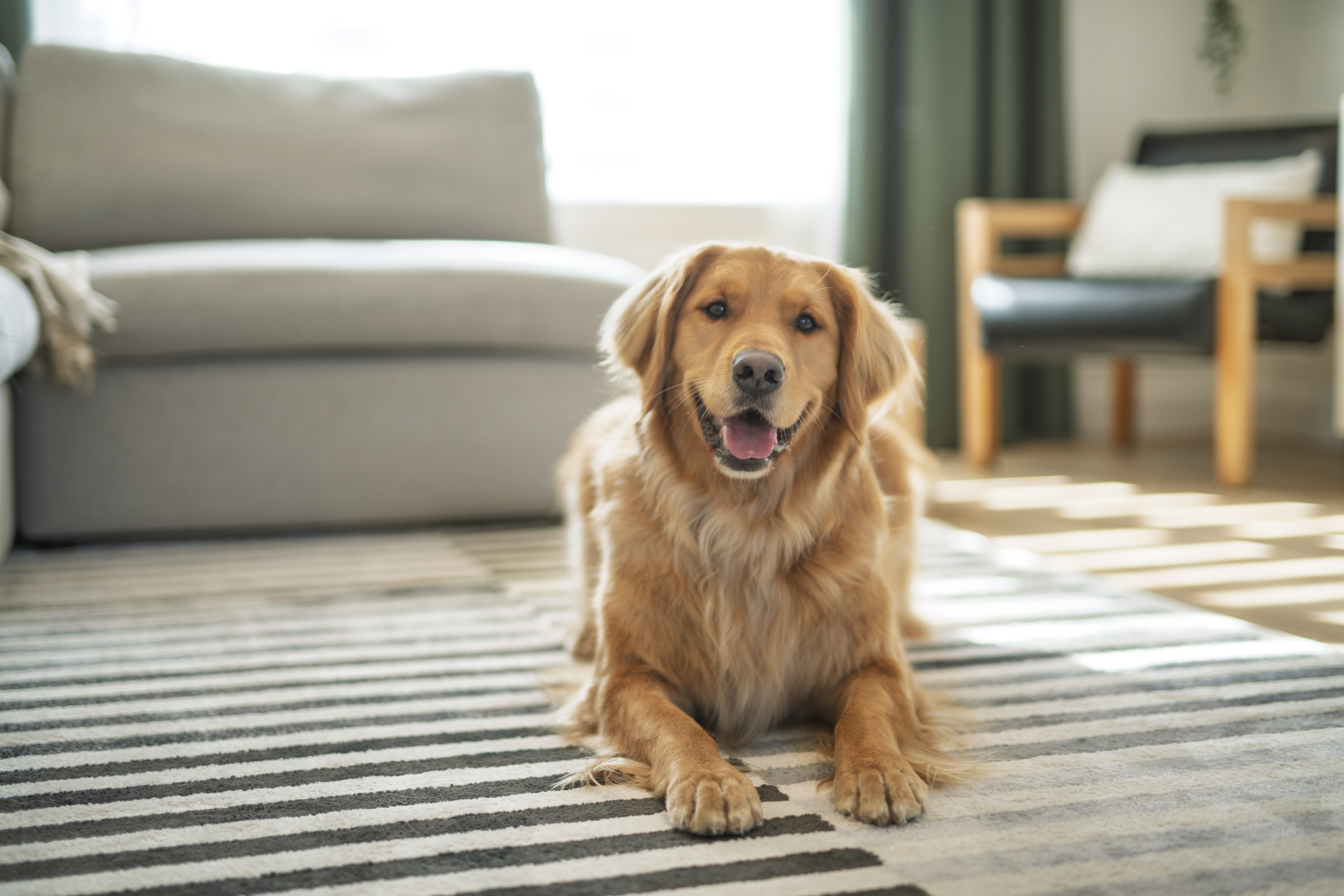
Getting a dog to hold a down-stay or sit-stay with distractions is a goal for many pet owners. Being able to sit at an outdoor restaurant while your dog calmly lies next to you is an underrated accomplishment. The last thing you want is your dog spotting a squirrel mid-meal and dragging the entire table with you still sitting there.
A reliable down-stay or sit-stay is what allows you to actually enjoy being out with your dog, instead of constantly managing them. The problem is that most people rush the process. When their dog breaks position, they assume the dog is being stubborn or disobedient, and they give up too quickly. In reality, it is usually not the dog’s fault. It is simply how the behavior is being built. A reliable stay doesn’t come from rushing or guessing; it comes from clear structure, consistency, and proper progression.
1. Start with low (or no) distractions
When starting your training plan, you want clear, measurable steps so you can track progress. Sometimes, you’ll move too fast and need to take a step back; that’s normal. The key is knowing where things broke down.
Start by removing as many distractions as possible and see where your dog truly is. This helps confirm whether your dog actually understands the command. If your dog fails in a low-distraction environment, it’s not a distraction issue; it’s a clarity issue. The dog simply doesn’t fully understand what’s being asked yet.
Beginning in a low-distraction setting sets your dog up for success. Dogs, like people, learn faster when they’re winning. If they’re constantly getting it wrong, frustration builds and progress slows. Skipping this step and jumping straight into a busy environment is where most people mess up. Before adding difficulty, you need a strong foundation; your dog should clearly understand what “sit” or “down” means before you ever expect them to hold it around distractions.
2. Build duration
Once your dog clearly understands the sit and down commands, it’s time to build duration. At this stage, your only focus is time, not distance. Don’t start stepping away yet. Stay right next to your dog and work on how long they can hold the position. Start short, then gradually increase the time. Go in with a clear goal. For example, if you want your dog to hold for 5 seconds, reward right at that 5-second mark. This helps your dog understand exactly what earns the reward. As you increase duration, there will be times your dog breaks position. That’s not unusual.
When this happens:
- Calmly reset them back into the exact same spot
- Don’t add frustration or corrections
- Simply try again at a level they can succeed at
If your dog keeps breaking, it’s usually a sign you’re asking for too much too soon. Take a step back, shorten the time, and build back up. The goal here is simple – teach your dog that holding a position calmly is what pays off. Stay consistent, keep it fair, and let your dog build confidence through success.
3. Add distance
Only after your dog can hold position for a solid amount of time should you begin adding distance. Start simple – take one step back, return to your dog, and reward. From there, gradually increase the distance over time.
Something important to understand is that dogs are much more likely to break position when you turn your back. For example, you might be able to walk five steps backward while facing your dog, but the moment you turn around, even at one step, they break. That’s not your dog being stubborn, but instead, that’s a new level of difficulty. This means you need to train that specifically. Start by turning your back for a second and then rewarding, making small movements away while not facing your dog, and gradually increasing both distance and your body orientation. If your dog breaks, you likely progressed too quickly, so reduce the difficulty and calmly reset them back to the exact spot. The goal is to teach your dog that the command still applies whether you’re right next to them or walking away.
Build it slowly, stay consistent, and don’t skip steps. This is where reliability really starts to show.
4. Add distractions
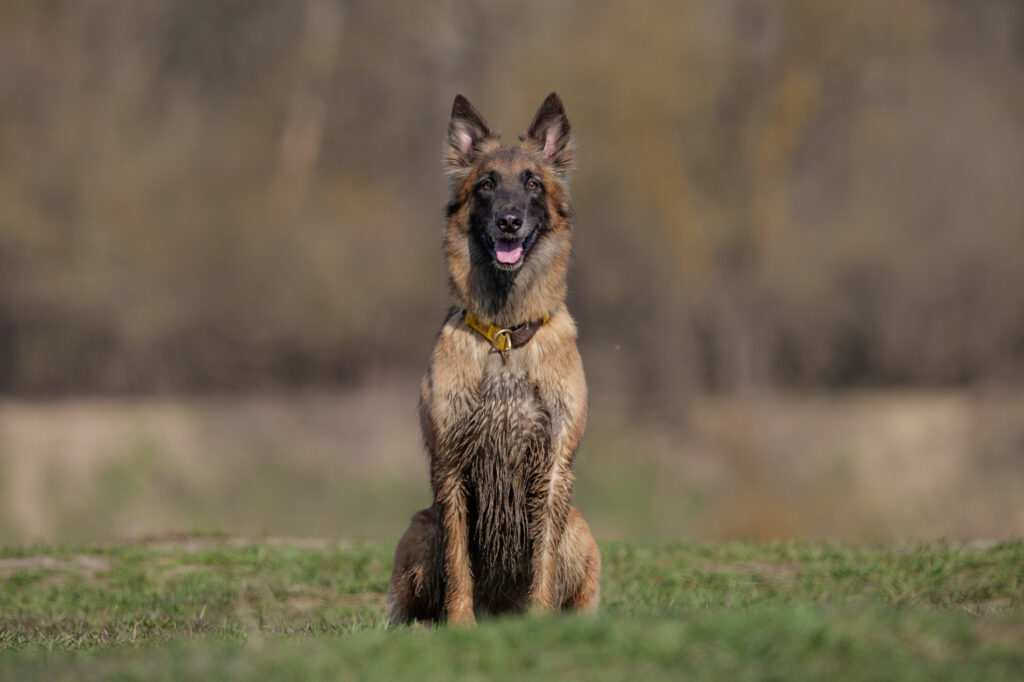
The final step is adding distractions, but only after your dog understands the command and has solid duration and distance. Like everything else, start slow. For example, if you’ve been practicing in your backyard, move to the front yard, then a park with minimal distractions, then a busier park, and eventually work up to more crowded environments.
Building this takes time, and progress is not always linear. There will be days when it feels like your dog has regressed, but that’s part of the process. Stay consistent and continue building gradually. The goal is for your dog to hold the position no matter what is happening around them.
5. Be clear with positions
When teaching these positions, you need to be clear. Sit means sit, and down means down. Don’t ask for a sit and then allow your dog to go into a down. It may not seem like a big deal in the moment, but it can lead to sloppy obedience over time. It often starts small, like a dog choosing to down instead of holding a sit, and then progresses into bigger issues like creeping or crawling out of position because the dog has learned those small changes are allowed. If your dog downs from a sit, simply reset them back into the sit and don’t allow switching unless you give the command.
This may seem like a small detail, but staying consistent here will make your dog’s obedience much clearer and much stronger over time.
6. Environmental factors
When working with your dog in different environments, understand that temperature, flooring, and surroundings all play a role in behavior.
If it’s really hot, your dog is more likely to go into a down position simply because it’s more comfortable. Flooring also matters; surfaces that are jagged, hot, rough, or uncomfortable can affect your dog’s ability to hold position. On top of that, new environments can add pressure and make it harder for your dog to focus. I’ve seen this multiple times – dogs not going into a down and the owner not understanding why, only to realize the dog is on snow and has never experienced it before, or a dog breaking position simply because the surface is uncomfortable.
Not every break in position is disobedience; sometimes your dog is just adjusting to discomfort. Understanding this allows you to train more effectively instead of correcting the wrong problem.
7. Keep it fair
Keep it fair, don’t stack difficulty too fast. Jumping from training inside the house straight to a busy park is not how you set your dog up for success. Slow progress is sustainable, and that’s where real accomplishment comes from. Don’t rush the process. Remember: duration, then distance, and finally distractions, always in that order. If something breaks, go back a step.
Before you begin, it’s also important to understand what type of reward your dog values most, whether it’s food, play, or even sniffing. Experiment, figure out what motivates your dog, and enjoy the process of working toward the goal together.
In conclusion
In the end, reliable stays aren’t rushed; they’re built through consistent training. It’s similar to how a basketball player develops a reliable jump shot through hours of repetition and doing the same thing over and over. Most of the issues you’ll see come from skipping steps or moving too fast. If you slow down and structure your training correctly, the results will come faster than you think, and they will last.
Related posts
Meet Carlos Viera, Our Professional Dog Trainer Serving Huntersville, NC
Carlos Viera is Highland Canine Training’s professional dog trainer in Huntersville, NC. Learn more about Carlos in this Q&A.

How To Train A Deaf Dog
When working with a deaf dog, you will need a different approach to training. David Hamblin (professional dog trainer in Roanoke, VA) offer some tips.
Why Dogs May Plateau During Training
Has your dog’s training progress stalled? In this episode, we look at why training can plateau – and tips to resolve it.

You must be logged in to post a comment.