
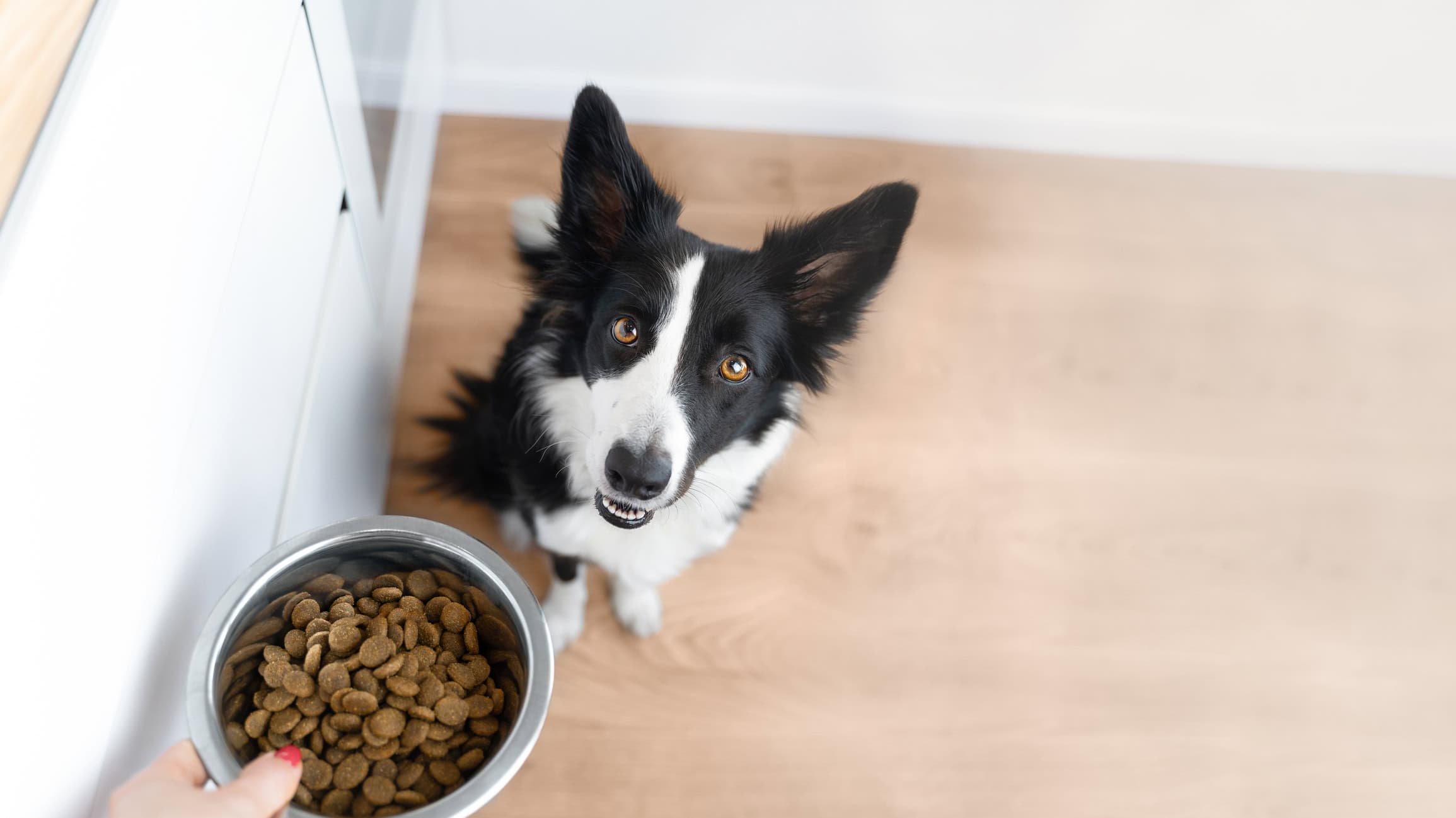
Do you have a dog that seems to do just about anything to get their breakfast and dinner? No matter that they get the same thing for both meals of the day, they get so excited when it is time for their meal.
Whether you have a new puppy, just brought home a new rescue from the shelter, or have had a dog for a couple of years, you can utilize their meals to build engagement, build a stronger bond with you, train new skills, add more mental enrichment into their day, and to reward dogs with diet restrictions. Let’s go over some ways and reasons that you should make your dog’s meals more engaging.
Building engagement
Have you found yourself taking your dog for a walk, and no matter what you do, they just seem to be distracted by everything around them? Some of the reasoning for this could stem from your dog seeing other things more entertaining and intriguing than you. In order to get their attention, you have to make them see that you are way more interesting than everything around you.
How do we start this? It’s actually much easier than you may believe. The first step starts in your home – away from all distractions. At one of their mealtimes, instead of setting the bowl down on the ground and letting them immediately start eating, you will either hold their bowl or put their meal into a treat pouch of some sort. You begin by simply giving your dog pieces of their kibble when they look towards you. From there, you make them pay attention to you for longer and longer. When they get good at looking at you and just giving you their attention, you can make it a bit harder for them by moving your hand with the kibble in it away from your body; you then reward them when they take their gaze off the kibble in your hand and instead direct their attention to your face. You can slowly build up the amount of time they need to pay attention to you, as well as how far away you can get from them with them continuing to look at your face.
The other way that you can build their engagement with just their kibble is to make them follow your hand. You start the same way as the exercise before (withholding their food from them). Grab a couple pieces of kibble in one hand and make a fist. Then put your fist in front of your dog’s nose, and let them have a small taste of the food you have there. Slowly start moving your hand allowing them to follow it and continue licking and trying to get to the food. As you move your hand with your dog following, let them have one piece every couple of seconds as a reward for continuing to follow the hand. As they are following more and more, you can increase the speed and/or move your hand in circular motions instead of just straight lines.
With these simple steps you can begin to grow your dog’s engagement with you and you can use lots of rewards since you are using their entire meal.
Building a stronger bond
Using your dog’s meals in training time can build the bond between you two because they will look to you for their meals. You may be asking, “what makes my dog look to me when I’m handfeeding more than just giving them a bowl, it’s still me providing the food?”. Well, when your dog directly receives the food from your hand, they associate food directly with you and not a metal bowl.
Building a bond with your dog is extremely important for many reasons. If you are in a stressful situation with your dog and they do not have a very strong bond with you, they may look for a way out and try to run off. Whereas if your dogs and you have a good bond, they will instead look to you for direction. They will value you and the time they spend with you even more if they have a close bond with you.
Training new skills
Using your dog’s mealtime in teaching new skills can make their meals more entertaining for them as well as they learn to look to you for direction all the time since we are making the work for their meals instead of letting them just eat freely. Training new skills with their kibble is very simple, just trade out training treats for their dinner/breakfast and reward them with pieces of kibble.
Adding mental enrichment into their day
Making your dog’s mealtime into a training session or just allowing them to earn parts of their meal throughout the day can cause your dog to think about ways to earn food causing them to problem solve, this results in mental enrichment for your pup. When your dog has to do some sort of task to receive their food, it makes their brain work more than just aimlessly eating kibble out of a plain bowl. Mental enrichment is important for your dog’s day because it will help curb their boredom, help them release their extra energy, as well as give them opportunities to learn to problem solve.
Dietary restrictions
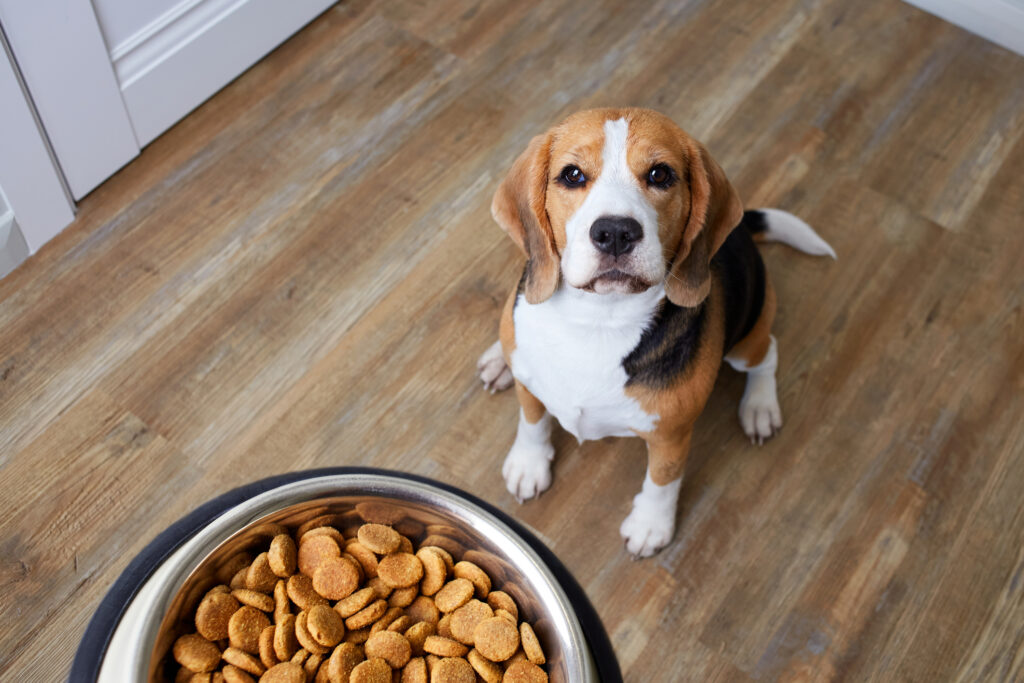
Training a dog has its challenges, but whenever we are adding some sort of diet restriction on top, it can make training even more difficult. Whether the dog has allergies, medical restrictions, or is on a weight loss regimen, replacing treats and rewards with pieces of food can be a great alternative. All you need to do is withhold part of your dog’s meal and put it in a bag or treat pouch, then use this as your reward when working with your dog.
In conclusion
Utilizing your dog’s mealtime in training has many different benefits. Dogs strive to please, and many dogs want a job – having them do something to earn their food can be so much more fulfilling for them. When training a dog, there are many times where we have to get creative and come up with the best opportunity for our dogs to learn. Sometimes it can be as simple as using mealtimes for training purposes.
Related posts
The Hardest Kind Of Love: Saying Goodbye To Pepper
In this article, Marlene Ruiz discusses the difficulty of decisions surrounding humane euthanasia, while reflecting on the recent loss of her Schnauzer, Pepper.

How To Train Impulse Control
In this article, Megan Gerber (professional dog trainer serving Atlanta, GA) explains how you can teach impulse control to your dog.

Why Zak George* Is Ruining The Dog Training Industry (*And Other ‘Influencers’)
Social media influencers and force-free absolutism continue to dominate dog training discussions – but what impact is this having in the real world?

You must be logged in to post a comment.