
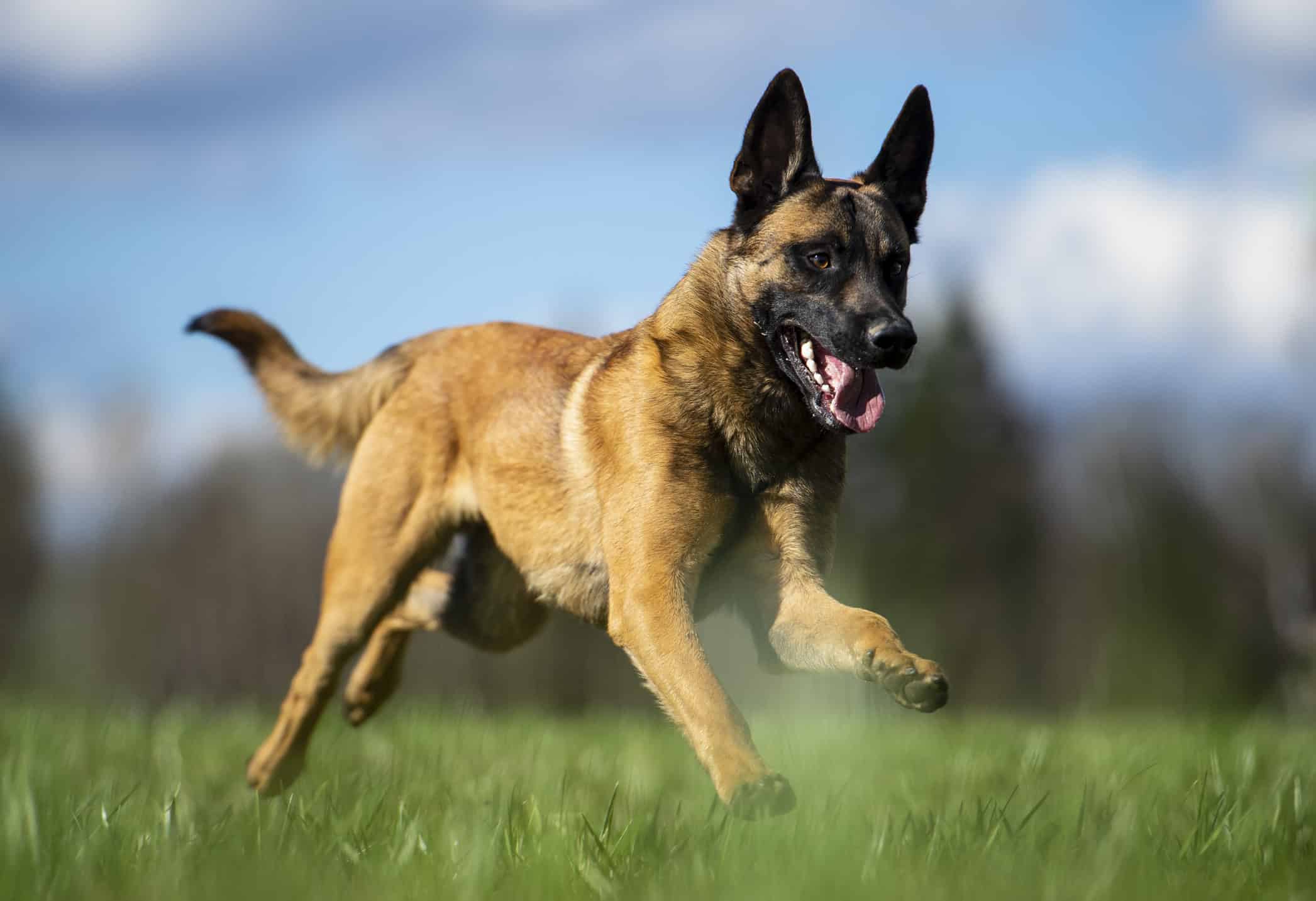
High-drive dogs are some of the most impressive animals you will ever work with. They are intelligent, fast, highly engaged, and capable of learning at an exceptional level when given the right guidance. It is no surprise that breeds such as Belgian Malinois, German Shepherds, and working-line Retrievers have become increasingly popular in recent years.
At the same time, many dog owners – particularly inexperienced ones – quickly discover that these dogs come with significant challenges. Without structure and direction, the same traits that make high-drive dogs so capable can also make them difficult to live with. What often looks like disobedience or stubbornness is usually a dog that has more drive than their environment can support.
Understanding what a high-drive dog is, and how to work with that drive effectively, is the key to long-term success.
What is a high-drive dog?
The term “high-drive” is often used interchangeably with “high energy,” but the two are not actually the same. Energy refers to how active a dog is, while drive refers to the dog’s internal motivation to perform certain behaviors.
A high-drive dog is not just active. It is a dog that actively seeks out opportunities to work, engage, and solve problems. This motivation can show up in different ways. Some dogs have a strong desire to chase moving objects. Others are highly focused on food rewards or searching for scents. Some are naturally inclined to engage with pressure or perceived threats.
What matters most is that these dogs are not satisfied with passive activity. A long walk may take the edge off temporarily, but it does not fulfill the dog’s need to engage mentally and purposefully. Without that outlet, frustration builds, and behavior problems often follow.
Common traits of high-drive dogs
High-drive dogs tend to have a very distinct presence. They are constantly looking for something to do and are quick to engage with their environment. When given clear direction, they can focus intensely and learn at a rapid pace. When left without guidance, that same intensity often becomes difficult to manage.
Many owners notice that their dog struggles to settle, especially in stimulating environments. Others see patterns of destructive behavior, excessive vocalization, or reactivity on-leash. These behaviors are not random. They are usually the result of a dog that has the capacity to do more but has not been shown how to channel that energy effectively.
It is important to recognize that these are traits, not flaws. They are the result of generations of selective breeding for work. The issue is not the drive itself, but what happens when that drive has no clear outlet.
How to train high-drive dogs effectively
Training a high-drive dog requires a different mindset than training a typical companion dog. The goal is not simply to manage behavior, but to give the dog a structured way to use its drive.
The first step is establishing clear structure. High-drive dogs perform best when they understand exactly what is expected of them. This includes consistent routines, clear rules in the home, and predictable training sessions. Structure reduces uncertainty and allows the dog to focus on the task at hand.
From there, the focus should shift to channeling the dog’s natural motivations. Rather than trying to suppress behaviors such as chasing or engaging, those instincts should be redirected into controlled activities. Structured play or obedience work with a clear purpose can provide the dog with an outlet that is both productive and reinforcing.
While physical activity is important, it does not address the mental component of drive. In many cases, increasing exercise simply creates a dog with more stamina and the same lack of control. Short, focused training sessions are far more effective. These sessions should emphasize engagement, clarity, and the ability to transition between activity and calm behavior.
Impulse control is another critical piece of the puzzle. High-drive dogs often struggle with regulating their own behavior, especially when they are excited or frustrated. Teaching the dog how to pause, wait, and respond to guidance creates a level of stability that allows their drive to be used constructively. Without this foundation, even the most motivated dog will have difficulty functioning reliably.
Consistency ties all of this together. High-drive dogs learn quickly, but they are also quick to notice inconsistencies. If expectations change from one situation to another, the dog will struggle to understand what is required. Clear communication and predictable outcomes are essential for building reliability.
The biggest mistakes dog owners make with high-drive dogs
Many of the challenges associated with high-drive dogs come down to a few predictable patterns. One of the most common is the belief that more exercise will solve the problem. While it may provide temporary relief, it does not teach the dog how to behave.
Another issue is a lack of structure. When dogs are given too much freedom without guidance, they are left to create their own outlets. This often leads to behaviors that are difficult to manage later on.
Inconsistency is another major factor. If a behavior is allowed in one moment and corrected in another, the dog receives mixed signals. Over time, this leads to confusion and frustration for both the dog and the owner.
Perhaps the most significant mistake happens before training even begins. Many people choose high-drive breeds without fully understanding what they require. These dogs are not designed to be passive companions. They are designed to work, and they need an environment that reflects that.
Should you get a high-drive dog?
High-drive dogs can be incredibly rewarding, but they are not the right fit for everyone. The decision to bring one into your home should be based on an honest assessment of your lifestyle and expectations.
These dogs tend to do best with individuals who have a genuine passion for dog training, and are willing to invest time in developing their dog’s skills. They are well suited for people with clear goals – whether that is sport work, advanced obedience, or other structured activities. They also require a level of consistency and leadership that not every household is prepared (or able) to provide.
For first-time dog owners or those looking for a low-maintenance companion, a high-drive dog can quickly become overwhelming. Without the right structure in place, the dog’s needs will not be met, and behavior issues are likely to develop.
This does not mean that high-drive dogs are difficult by nature. It simply means they require a level of engagement that must be matched by the owner.
The benefits of high-drive dogs
When their needs are met, high-drive dogs are some of the most capable and rewarding animals to work with. They learn quickly, stay engaged with their handler, and can perform reliably even in challenging environments.
These are the dogs that excel in working roles as part of police and military teams. Their ability to focus, adapt, and perform under pressure sets them apart.
For the right owner, this creates an opportunity to build a strong and highly functional working relationship.
In conclusion
High-drive dogs are not inherently challenging, but they are demanding. They require time, structure, and a clear sense of purpose. When those needs are met, they are capable of exceptional performance and engagement.
Before choosing this type of dog, it is important to ask whether you are prepared to meet those requirements. The outcome depends less on the dog itself and more on the environment it is placed in.
With the right approach, high-drive dogs can be some of the most rewarding partners you will ever work with.
Related posts
The Hardest Kind Of Love: Saying Goodbye To Pepper
In this article, Marlene Ruiz discusses the difficulty of decisions surrounding humane euthanasia, while reflecting on the recent loss of her Schnauzer, Pepper.

How To Train Impulse Control
In this article, Megan Gerber (professional dog trainer serving Atlanta, GA) explains how you can teach impulse control to your dog.

How To Use Your Dog’s Mealtime As A Training Opportunity
In this article, Tabor Tiffany (professional dog trainer in Rifle, CO) explains how you can use mealtimes to train your dog.

You must be logged in to post a comment.